

Who Is More Likely to Develop Bipolar Disorder? | Safe and Sound
Bipolar disorder is a complex mental illness affecting millions of people worldwide. This article will help you better understand the groups at highest risk of developing bipolar disorder, enabling you to identify and seek support from mental health professionals and psychiatrists to better manage your emotions.
Nguyen Hoang Nguyen | Master of Science, Doctor - Safe and Sound Mental Health Care Application
Institute of Applied Medical Technology
1. What is bipolar disorder?
Bipolar disorder is a mental disorder characterized by erratic shifts in emotional states. People with the disorder may experience manic episodes (feelings of euphoria or high energy) alternating with depressive episodes (feelings of sadness, low energy).
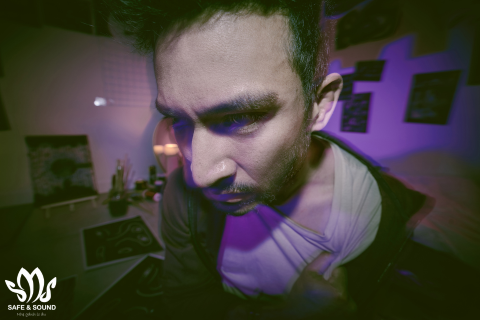
Bipolar disorder is characterized by alternating manic and depressive episodes.
Psychologists and psychiatrists believe that this fluctuation not only affects mood but also disrupts daily life, causing difficulties in work and relationships.
2. Who is most susceptible to bipolar disorder?
2.1 Individuals with a family history of mental illness
Psychiatric research has shown that bipolar disorder is highly hereditary. According to some statistics, if a person has a parent or sibling with the disorder, their risk increases by 15% to 30%. If both parents have bipolar disorder, this rate can be higher than 50%. Psychiatrists and psychiatrists believe that early screening in families with a history of the disorder is an effective way to manage the risk.

Bipolar disorder is a condition that can be hereditary.
It is important for individuals with a family history of the illness to monitor their emotions and behavior. If any unusual signs appear, they should seek timely support from a psychologist and psychiatrist.
2.2 People experiencing high levels of mental stress
According to psychiatrists, prolonged mental stress from events such as the loss of a loved one, unemployment, divorce, or other major life events can increase the risk of bipolar disorder. Additionally, individuals who frequently face stress from work or studies, especially in professions requiring high levels of responsibility, are also more susceptible.
Psychologists emphasize that maintaining a strong social support system (family, friends) and engaging in stress-reducing activities such as yoga and meditation can help lower the risk of illness.
2.3 Individuals with other brain-related conditions
Brain injuries such as traumatic brain injury, encephalitis, or neurodegenerative disorders can all affect the brain's functioning, leading to mental disorders, including bipolar disorder.
Psychiatrists often collaborate with neurological specialists to conduct a comprehensive assessment and develop the optimal treatment plan for these cases.
2.4 People with unhealthy lifestyles
Unhealthy lifestyle habits such as prolonged late nights, poor nutrition, or excessive use of stimulants (alcohol, drugs, caffeine) can disrupt the body's circadian rhythm. This makes it difficult for the brain to regulate emotions, creating conditions for the development of mental disorders.
Psychologists believe that developing healthy lifestyle habits not only reduces the risk of illness but also effectively supports the treatment and management of bipolar disorder.
2.5 People with highly sensitive or creative personalities
Some studies suggest that people with sensitive personalities, who are easily influenced by emotions, or those working in artistic fields such as writing, painting, or music, are at a higher risk of developing bipolar disorder. This may be related to their tendency to experience intense emotions or their susceptibility to extreme emotional states.
3. Signs and symptoms of bipolar disorder
3.1 Manic phase
During this stage, patients may exhibit the following symptoms:
- Excessive excitement or optimism: This is a feeling of being "full of energy" but not based on reality, leading to impulsive or thoughtless behavior.
- Increased physical and mental activity: Patients tend to multitask, talk incessantly, or undertake ambitious but unrealistic plans.
- Reduced need for sleep: Despite sleeping very little, they still feel full of energy.
- Boosting self-confidence: Sometimes, patients believe they are capable of doing extraordinary things.
- Reckless behavior: This includes excessive spending, dangerous driving, or engaging in high-risk activities.
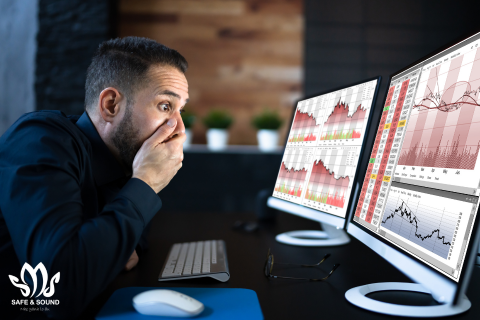
During manic episodes, patients often make risky investments.
3.2 Depressive phase
During this stage, patients may experience:
- Prolonged feelings of sadness or despair: Periods of unexplained sadness can last from a few days to several weeks.
- Loss of interest: They no longer feel interested in activities they once enjoyed, even with family and friends.
- Fatigue and lack of energy: Even with sufficient rest, they still feel tired or lack the motivation to do anything.
- Changes in weight and eating habits: This can include overeating or loss of appetite, leading to uncontrolled weight gain or loss.
- Difficulty concentrating: Having trouble making decisions or maintaining attention on a specific task.
- Suicidal thoughts or self-harming behavior: This is a serious sign and requires immediate intervention from a psychiatrist or mental health professional.
3.3 Signs in the mixed stage
This is a condition where symptoms of both mania and depression appear simultaneously, making diagnosis and treatment difficult. Patients may feel sad and depressed but also have high energy and impulsive behavior, creating a risk of self-harm or harming others.
Recognizing these signs and seeking timely support from mental health professionals and psychiatrists is the first step in managing and treating bipolar disorder.
4. How can bipolar disorder be managed and treated?
4.1 Consult a psychologist
Psychologists play a crucial role in helping patients understand their condition. Therapies such as cognitive behavioral therapy (CBT) can improve emotional and behavioral control.
4.2 Medical treatment by a psychiatrist
Medications such as mood stabilizers or antidepressants are often prescribed by psychiatrists. A combination of psychotherapy and medication is most effective in treating bipolar disorder.
4.3 Building a healthy lifestyle
- Maintain a regular diet and sleep schedule.
- Exercise daily to control your emotions.
- Avoid stimulants.

Safe and Sound Clinic - Family mental and health support
With a team of experienced doctors and specialists, Safe and Sound Clinic is a pioneer in comprehensive healthcare, offering services ranging from medical to psychological care.
"Early preparation - Timely support - Long-term partnership."
.png)
If you suspect you have a mental health problem, or would like more information about our counseling services, please contact our HOTLINE at 0964 778 911 (Phone/Zalo, 24/7) for prompt assistance and answers!
HOW TO SCHEDULE AN APPOINTMENT for online or in-person consultation with a specialist.
- On the SnS Clinic - IMT Institute Fanpage
- Alternatively, download and schedule a consultation on the Safe and Sound app to manage and track your appointments anytime, anywhere.
Safe and Sound - part of the Institute of Applied Medical Technology (IMT)
See more:
